
Gas and electric heat
Auburn Furnace and Heating Repair That Gets the Burners Lit
When the furnace clicks and quits, blows cold or shuts off early, we track down the weak link and get dependable heat back, with the cost explained first.
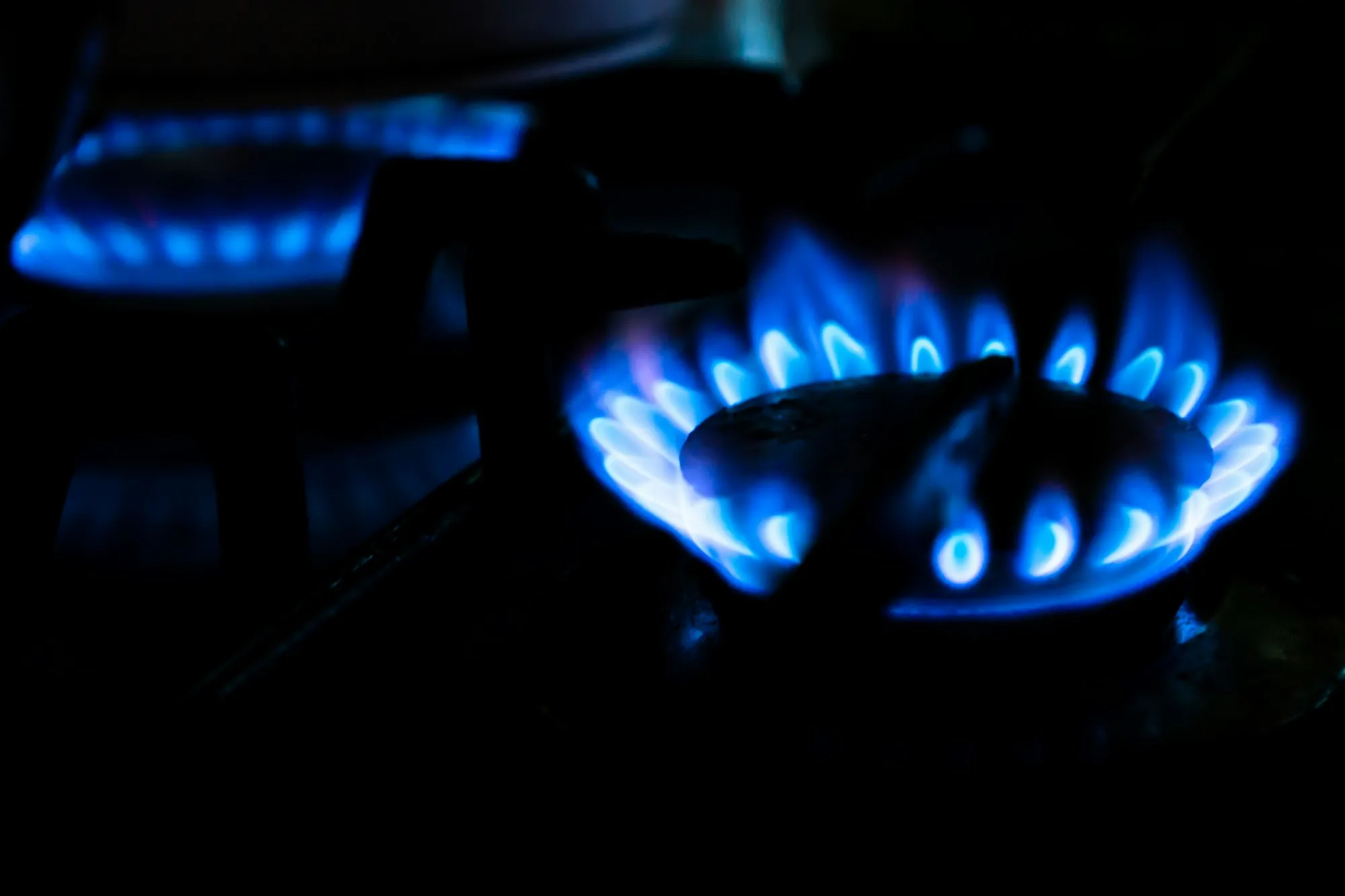
Reliable Ignition, Night After Night
Here, a furnace can sit nearly idle for months. Then a cold front drops temperatures below freezing overnight and the system has to perform right away. That first cold night is when weak parts show themselves. The draft motor whirs, an igniter glows orange, and the burners never catch. Or the blower runs and the air is cool. Or there is flame for a short stretch, then silence. Each of those patterns has a short list of suspects: a cracked hot surface igniter, a flame rod dulled by residue, an inducer motor or pressure switch that will not prove draft, a limit switch tripping from poor airflow, or a blower that is wearing out. Electric furnaces have their own list of elements, sequencers and relays. With 20 years spent tracing these exact failures, our technicians test each step of the startup sequence and find the one that breaks. The cause and the cost get explained to you before a single part comes out. One firm rule: if you smell gas, do not troubleshoot. Walk out to the driveway first, then ring the gas utility or 911. Once that is handled, we can take care of the furnace.
Heating Repairs We Make
The components behind most no-heat, low-heat and on-off-on-off calls.
Hot surface igniters
Igniters crack and weaken with age. We test resistance and install the correct replacement.
Flame sensors
A film on the sensor makes the burners drop out moments after they light. A cleaning or a new sensor restores a steady signal.
Draft inducers
No draft, no ignition. We test the inducer motor, pressure switch and venting path.
High limit switches
When a limit trips, something is overheating. We find the airflow or burner cause instead of just resetting.
Blower assemblies
Worn motors, failed capacitors and dirty wheels that leave rooms underheated, repaired or replaced.
Airflow and filters
Clogged filters and closed returns can cause overheating. We correct them and confirm good airflow.
Electric heat parts
Electric furnaces get their elements, sequencers and relays tested and swapped when they fail.
Boards and safeties
Control boards, rollout switches and thermostat signals checked so the furnace answers when called.
Finding the Weak Link
Follow the sequence
We trigger a heat call and observe every stage in order: inducer, pressure switch, igniter, gas valve, flame proving and blower. The stage that fails is where the trouble lives, and the board's fault code usually agrees.
Lay it out plainly
You learn which part quit, how we would fix it and the price before anything is touched. If we notice other wear worth knowing about, we mention it without pushing you to act on it.
Repair and run it
After the repair, the furnace runs through several full cycles while we check flame, temperatures and safety switches. You see steady heat before we pack up.
Why Neighbors Trust Us With Their Heat
Safety on every call
Gas, flame and venting checks are part of every furnace repair.
The price you approve
The figure you okay at the start is the figure on the invoice at the end.
Experience that shows
Two decades in, most furnace failures are ones we know on sight.
- Ignition tested step by step
- Gas and venting checked
- Price agreed upfront
- Heat proven before we go
Clicking, Glowing, Then Nothing?
That pattern almost always has a specific cause we can find. Describe how the furnace behaves on a heat call and we will get it lighting reliably again.